
Exploring SOTA & POTA
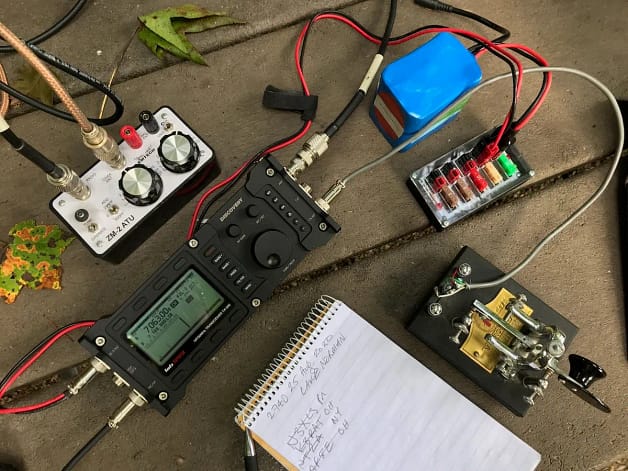
The Thrill of Portable Amateur Radio Adventures
Amateur radio is a hobby that connects people across the world using radio waves, but for some operators, the real excitement lies in taking their stations into the great outdoors. Summits on the Air (SOTA) and Parks on the Air (POTA) are two popular programs that blend radio communication with outdoor adventure, offering amateur radio operators a unique way to enjoy their hobby while exploring nature.
What is SOTA?
SOTA, or Summits on the Air, is an amateur radio program designed to encourage portable operations from mountain summits. The goal is to activate summits by making radio contacts while hiking and enjoying breathtaking views. SOTA participants fall into two categories:
Activators: Operators who climb mountains and make contacts from designated summits.
Chasers: Operators who make contact with activators from their home stations or other locations.
SOTA activations require careful planning, including checking propagation conditions, selecting lightweight and efficient radio equipment, and ensuring personal safety while hiking. Many activators use QRP (low-power) radios and simple antennas like dipoles or end-fed wires to keep their gear lightweight and portable.
What is POTA?
POTA, or Parks on the Air, is a program focused on activating and hunting contacts from parks, wildlife reserves, and other protected areas. Unlike SOTA, POTA is more accessible, as it does not require climbing high elevations, making it an excellent choice for operators who enjoy operating in the outdoors but prefer a more relaxed setting.
POTA activators set up their stations in national or state parks and call CQ to engage with chasers. Similar to SOTA, POTA encourages portable operations and promotes awareness of natural parks and conservation efforts. Many POTA activators use battery-powered radios, vertical antennas, or compact dipoles to make contacts efficiently.
Why Participate in SOTA/POTA?
Both SOTA and POTA offer unique challenges and rewards for radio operators:
Combining hobbies: Hiking, camping, and outdoor exploration are naturally integrated with radio communications.
Improving skills: Portable operations enhance antenna-building, power management, and QRP operating techniques.
Community engagement: These programs connect amateur radio operators worldwide, promoting collaboration and friendly competition.
Adventure and fun: SOTA and POTA provide a sense of adventure, allowing operators to experience new locations while enjoying radio communications.
Getting Started with SOTA/POTA
1. Choose a Program – Decide whether you prefer summits (SOTA) or parks (POTA), or try both!
2. Check Locations – Find an eligible summit or park in your area. Websites like SOTA and POTA provide lists of recognized locations.
3. Gather Equipment – A lightweight HF transceiver, antenna, power source (battery or solar), and logging device (paper or digital) are essential.
4. Plan Your Activation – Research the location, weather conditions, and propagation forecasts to ensure a successful activation.
5. Log Contacts and Submit – Keep a log of your QSOs and submit them to the respective program’s database to earn points and awards.